

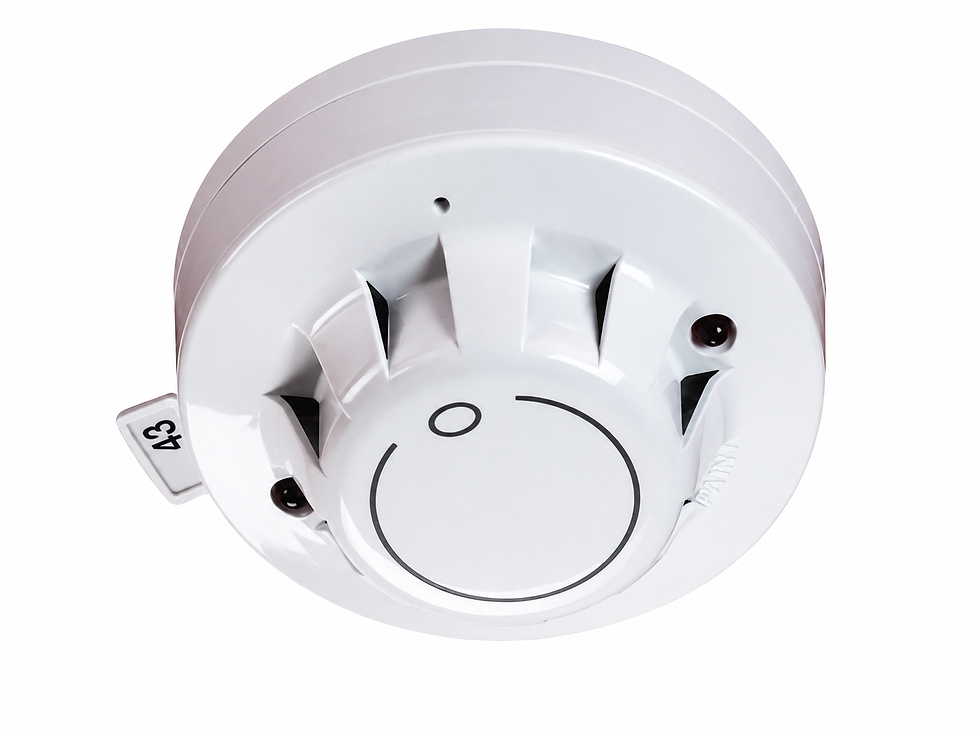
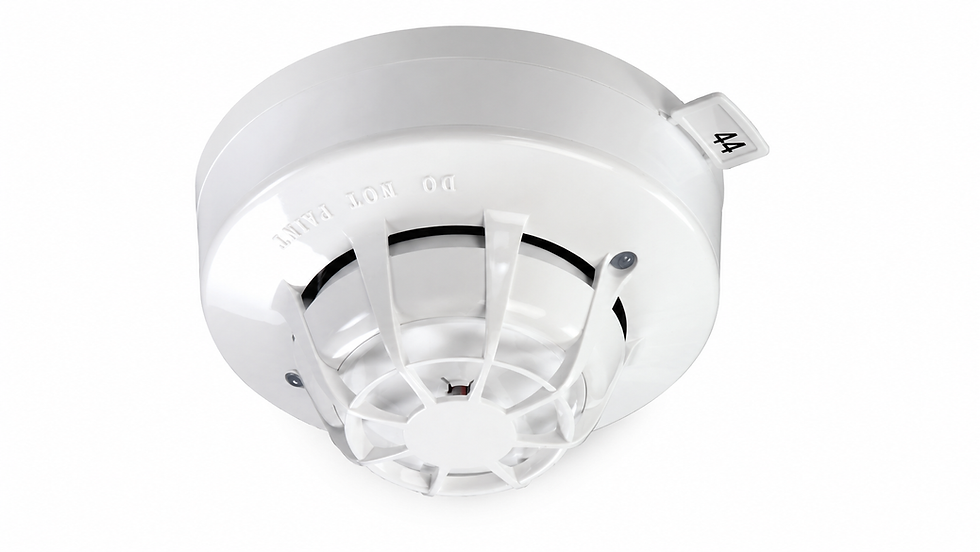
Apollo Discovery CO/Heat Multisensor Detector 58000-305

The Apollo Discovery CO/Heat Multisensor Detector 58000-305 offers a practical and intelligent fire detection solution for hotels, hospitals, offices, warehouses, educational facilities, accommodation areas, commercial buildings, and other fire protection applications. Designed as an analogue-addressable multisensor detector, it combines carbon monoxide sensing and heat detection to help identify different developing fire conditions.
For fire protection contractors, engineers, consultants, building owners, facility managers, maintenance teams, and fire alarm installers, choosing the right Apollo Discovery CO/Heat Multisensor Detector can help improve early fire detection, support accurate device identification, reduce unwanted alarms in suitable environments, and strengthen overall building fire safety.

What Is an Apollo Discovery CO/Heat Multisensor Detector?
The Apollo Discovery CO/Heat Multisensor Detector 58000-305 is an analogue-addressable fire detector designed to monitor both carbon monoxide produced during combustion and changes in the surrounding temperature.
It contains a carbon monoxide sensing cell and a thermistor heat sensor. Information from both sensing elements is processed and combined to produce the final analogue signal transmitted to a compatible fire alarm control panel.
This detector is commonly installed in addressable fire alarm systems where flexible detection, accurate device identification, and improved false alarm management are required.
Because it monitors both carbon monoxide and temperature, the Apollo Discovery CO/Heat Multisensor Detector can help detect slow-burning or smouldering fires, as well as fires that produce a noticeable increase in heat.
Key Benefits of Apollo Discovery CO/Heat Multisensor Detector
Combined Carbon Monoxide and Heat Detection
The Apollo Discovery CO/Heat Multisensor Detector combines two sensing technologies in one device. Its carbon monoxide cell helps detect gases commonly produced by smouldering fires, while its thermistor monitors temperature changes associated with developing fire conditions.
Helps Detect Smouldering Fires
Some fires may develop slowly and release carbon monoxide before producing heavy smoke or intense heat. The detector’s CO-sensing element helps identify these conditions, making it suitable for selected environments where deep-seated or slow-burning fires may occur.
Five Selectable Operating Modes
The Apollo Discovery 58000-305 provides five selectable operating modes. These allow the detector’s response characteristics to be configured according to the protected area, expected fire risk, environmental conditions, and approved fire alarm system design.
Improved False Alarm Management
The detector can be less affected by some common sources of unwanted alarms that may activate conventional smoke detectors, including steam, dust, cooking aerosols, hairspray, and similar airborne particles.
However, the detector must not be installed in areas where carbon monoxide is normally present unless specifically assessed and approved for the application.
Analogue-Addressable Operation
The detector operates as part of an analogue-addressable fire alarm system. Each device can be assigned a unique address, allowing the compatible control panel to identify the exact detector reporting an alarm, fault, or monitored condition.
Remote Testing Capability
The Apollo Discovery CO/Heat Multisensor Detector supports remote testing through a compatible fire alarm system. This can help authorized technicians perform inspection, testing, and system maintenance more efficiently.
Local Alarm Indicator
A built-in red indicator provides a visible local alarm signal when the detector enters an alarm condition. This helps technicians and building personnel quickly identify the affected device during inspection or emergency response.

How Does an Apollo Discovery CO/Heat Multisensor Detector Work?
The Apollo Discovery CO/Heat Multisensor Detector continuously monitors carbon monoxide levels and changes in temperature within the protected area.
During a slow-developing or smouldering fire, combustion may produce carbon monoxide before large quantities of visible smoke or intense heat are generated. The detector’s CO cell monitors these changes.
At the same time, the thermistor monitors the surrounding temperature. When heat increases because of a developing fire, the heat-sensing element contributes to the detector’s overall response.
The detector processes the information from both sensors and sends the resulting analogue value to the compatible fire alarm control panel. The panel then evaluates the signal according to the programmed detector mode and system configuration.
This combined operation helps provide flexible detection for different fire conditions while supporting improved alarm decision-making.
General Technical Information
Specification | Details |
Brand | Apollo Fire Detectors |
Product Range | Discovery |
Model / Part Number | 58000-305 |
Product Type | CO/Heat multisensor fire detector |
Detection Method | Carbon monoxide cell and thermistor heat sensor |
System Type | Analogue-addressable |
Communication Protocol | Apollo Discovery |
Operating Modes | Five selectable modes |
Alarm Indicator | Red LED |
Housing Colour | White |
Approximate Diameter | 100 mm |
Approximate Height | 54 mm |
Approximate Weight | 94.4 g |
Operating Temperature | 0°C to 50°C |
Humidity Range | 15% to 90% RH, non-condensing |
Ingress Protection | IP44 |
Compatible Base | Apollo XPERT 8 mounting base |
Primary Application | Intelligent fire detection |
Technical information should be confirmed using the latest Apollo product datasheet, approved fire alarm design, and project specifications before purchasing or installation.
Common Applications of Apollo Discovery CO/Heat Multisensor Detector
An Apollo Discovery CO/Heat Multisensor Detector 58000-305 may be considered for the following applications:
Hotels and guest accommodation
Bedrooms and sleeping areas
Hospitals and healthcare facilities
Offices and commercial buildings
Universities and educational facilities
Warehouses and storage areas
Institutional buildings
Selected residential developments
Rooms with a risk of smouldering fires
Commercial and industrial fire alarm systems
The detector should be installed only in locations suitable for carbon monoxide and heat detection based on the approved fire alarm system design.
Why Choose a CO/Heat Multisensor Detector?
A CO/Heat multisensor detector is often selected when a protected area requires detection of both slow-burning fire conditions and temperature increases.
Compared with a detector that uses only one sensing technology, a multisensor detector can provide a broader evaluation of developing fire conditions.
The Apollo Discovery CO/Heat Multisensor Detector provides a practical option for projects requiring:
Detection of smouldering fires
Heat monitoring
Addressable device identification
Flexible response modes
Improved unwanted alarm management
Remote testing capability
Compatibility with Apollo Discovery systems
For hotels, hospitals, offices, educational facilities, warehouses, and other suitable buildings, the detector can help support intelligent and dependable fire detection.

Important Considerations Before Buying
Before selecting an Apollo Discovery CO/Heat Multisensor Detector, it is important to confirm the following:
Compatibility with the fire alarm control panel
Apollo Discovery protocol requirement
Required detector operating mode
Approved mounting base
Protected area and occupancy type
Expected fire risk
Presence of normal carbon monoxide sources
Operating temperature
Humidity and environmental conditions
Device addressing requirements
Detector spacing and coverage
Applicable fire code and project specification
Required product approvals
System testing and commissioning requirements
The detector should not be installed close to normal carbon monoxide sources such as vehicle exhaust, open flames, gas appliances, fuel-burning equipment, or certain chemical vapours, unless the location has been properly assessed.
Correct detector selection, positioning, programming, testing, and maintenance are important to help ensure reliable fire alarm system performance.
Installation Guidelines
For proper installation of the Apollo Discovery CO/Heat Multisensor Detector 58000-305:
Confirm that the control panel supports the Apollo Discovery protocol.
Use the correct compatible Apollo mounting base.
Install the mounting base on a secure and level surface.
Follow the detector location and spacing shown on the approved fire alarm plan.
Keep the detector away from normal carbon monoxide sources and contaminating vapours.
Complete loop wiring according to the manufacturer’s instructions.
Set the correct device address.
Securely install the detector onto the mounting base.
Program the required operating mode through the compatible control panel.
Perform testing and commissioning using approved procedures.
Installation should be performed by qualified fire alarm personnel in accordance with the latest manufacturer instructions, applicable codes, and approved project requirements.
Inspection and Maintenance Recommendations
Regular inspection and maintenance should include:
Checking the detector for dust, dirt, paint, damage, or obstruction
Confirming that the detector is properly secured to its mounting base
Verifying communication with the fire alarm control panel
Checking the programmed device address
Testing the alarm indicator
Performing functional testing using approved equipment
Confirming that environmental conditions remain suitable
Inspecting for newly introduced carbon monoxide sources
Recording all tests, faults, and corrective actions
Replacing the detector when required by the manufacturer or maintenance plan
Do not test the detector using vehicle exhaust, uncontrolled flames, smoke from burning materials, or unapproved chemicals.
Source Your Apollo Discovery CO/Heat Multisensor Detector from Pinoleakpes Enterprises Corporation
Pinoleakpes Enterprises Corporation supplies fire alarm devices, detectors, notification appliances, valves, fittings, couplings, grooved accessories, and piping materials for fire protection, waterworks, HVAC, commercial, industrial, and building-services projects.
Our team can help you identify the correct Apollo detector model, compatible mounting base, control panel compatibility, application suitability, and related fire alarm components based on your project requirements.
For inquiries about the Apollo Discovery CO/Heat Multisensor Detector 58000-305, contact Pinoleakpes Enterprises Corporation today and let us help provide the right intelligent fire detection solution for your building or project.

Comments